Space science
Researchers are about to film a supermassive black hole
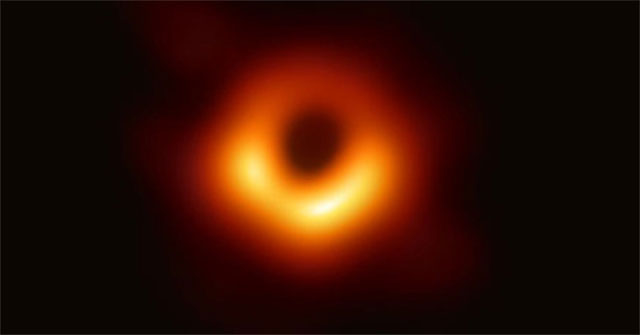
Astronomers will use a virtual telescope larger than Earth to record a supermassive black hole in the center of the Milky Way in real time.
Browse ScienceInfo articles and explainers related to Black Hole.
385 published items.
Astronomers will use a virtual telescope larger than Earth to record a supermassive black hole in the center of the Milky Way in real time.
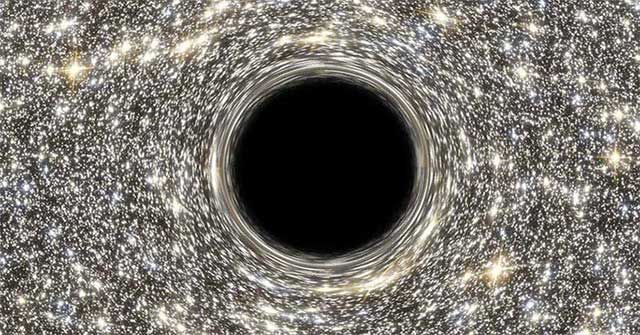
A study just published online on arxiv.org has confirmed the ability to form a giant solar system with the parent star is a ... black hole monster.
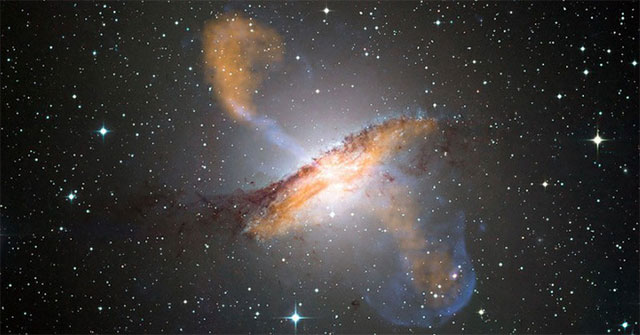
Some astronomers have just hypothesized that the mysterious 9th planet in the Solar System may not be a planet, but actually a primitive black hole.
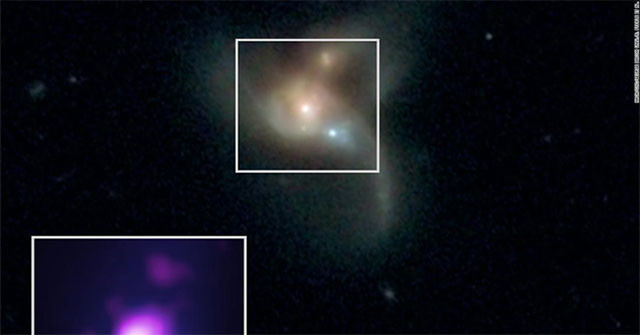
Scientists first observed the phenomenon of three galaxies colliding, placing supermassive black holes at their centers into orbit to merge.
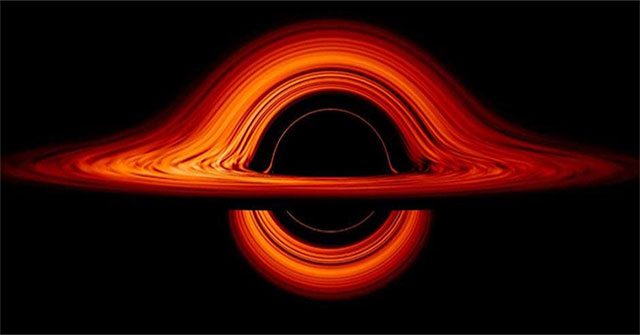
In response to the ongoing black hole week, NASA recently released the first simulation image of a black hole with unprecedented sharpness.
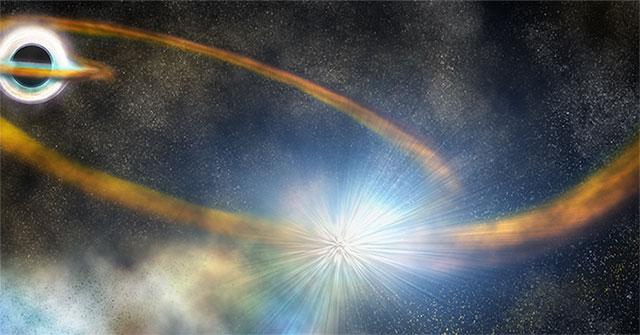
TESS, NASA's $ 200 million telescope, observes a black hole about 600 million times more massive than the Sun.
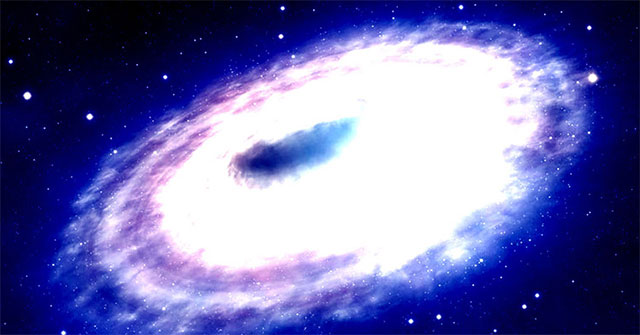
The supermassive black hole in the center of the Milky Way swallows more matter and glows abnormally.
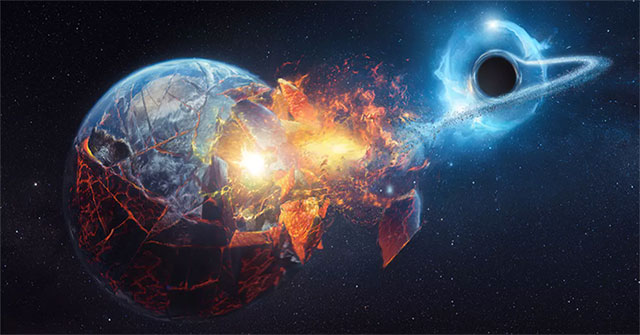
In the vast universe, the black hole is probably the most feared 'evil spirit' we have ever known. With enormous gravity, no matter, not even light, can escape the black…
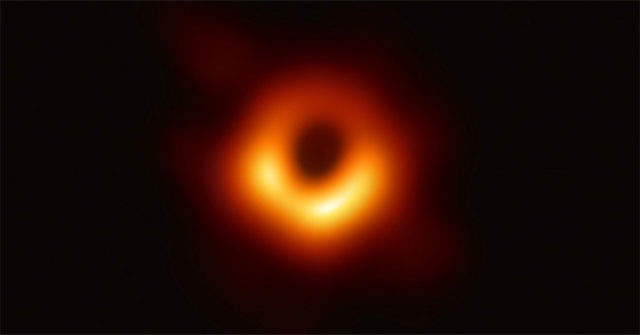
The giant black hole in the center of our Milky Way galaxy is swallowing matter at unprecedented speed.
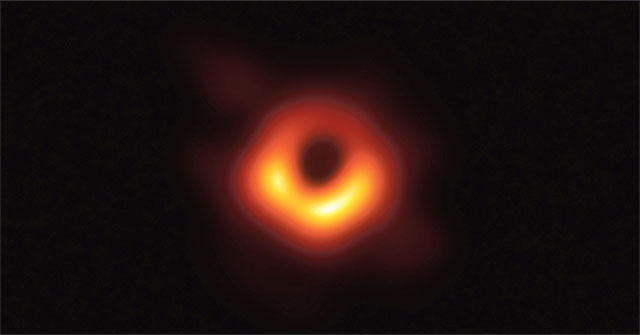
A group of 347 scientists who participated in research to find the first image in black hole history has been awarded the prestigious Breakthrough Prize in Fundamental P…
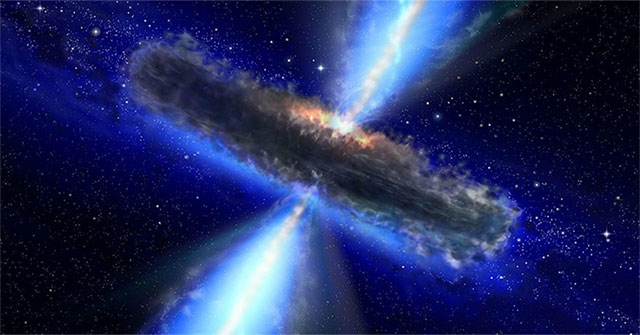
UFOs (unidentified flying objects) are identified as air bubbles that flatten inside galaxies.
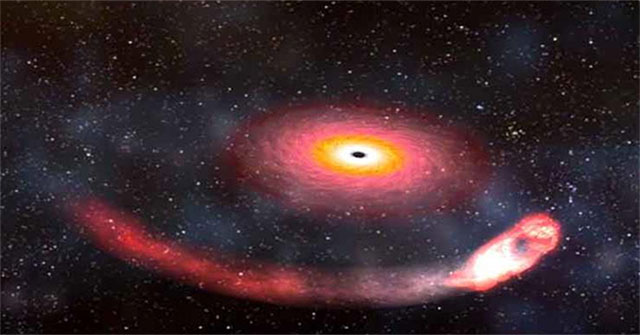
American astronomers found solid evidence of a merger between a black hole and neutron star on August 14.
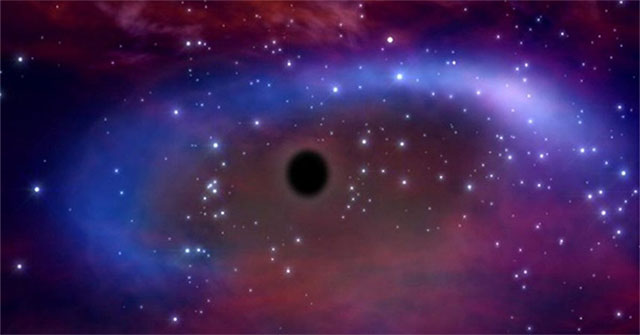
Holm black hole 15A * is hundreds of millions of light years from the Earth so large that the Solar System can fit in its event horizon.
There is a controversy raised by the Japanese space physics duo who have proposed a quest for millions of 'isolated black holes' (abbreviated IBH) to be possible. abilit…
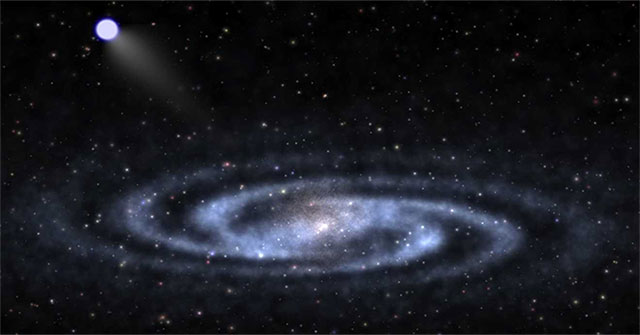
A group of scientists discovered the star S5-HVS1 flew super fast and escaped from a giant black hole in the center of the Milky Way.